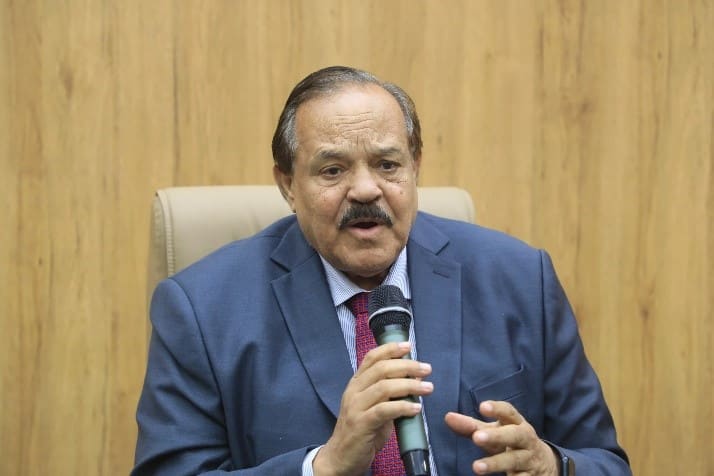
Minister of Foreign Affairs Dr. Ali Youssef has sent a written letter to his British counterpart, David Lammy, conveying Sudan's objection to his country holding a conference on Sudan without inviting the Sudanese government, while inviting other countries that are effectively parties to the war against Sudan, its people, and its state. In his letter, which was received by the British side last week, the minister criticized the British government's approach, which equates the sovereign Sudanese state, a member of the United Nations since 1956, with a terrorist militia committing genocide, crimes against humanity, and unprecedented atrocities against civilians.
The minister presented evidence of Britain's leniency toward the militia, such as what the British press reported in April 2024, stating that the British Foreign Office had held secret talks with the Janjaweed militia and that Britain had received militia leaders despite US sanctions against it. He also stated that Britain serves as a launching pad for the militia's propaganda, which spreads hate speech and advocates for sexual violence. The letter stated that many in Sudan are now wondering how many more atrocities and massacres the Janjaweed militia must commit against Sudanese before Britain recognizes it as a terrorist group. The letter noted that the British Foreign Office stated that the conference participants were those who support peace in Sudan, yet the UAE, Chad, and Kenya were invited.
The Foreign Ministry argued that inviting the UAE to the conference offered it an opportunity to polish its image and cover up its involvement in the genocide in Sudan. The Foreign Ministry's letter stated that the previous British government prevented the Security Council from discussing the UAE's involvement in the war in Sudan in April 2024. It stated that had the Security Council discussed the matter and taken a decisive stance against it, it would have saved countless innocent lives and ended the war. The letter called on the British government to review its policy toward Sudan and engage constructively with its government, based on the historical ties between the two countries.